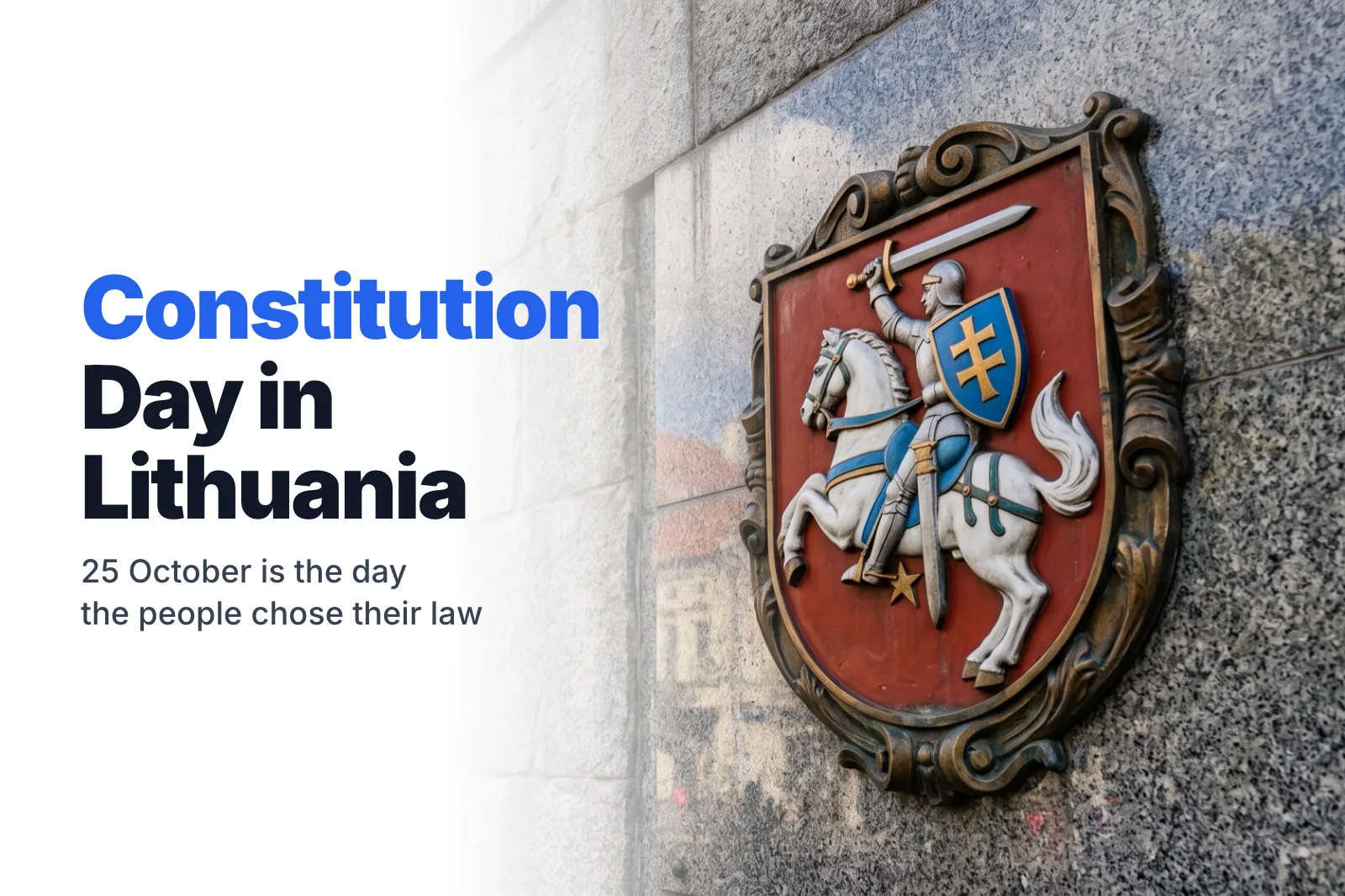
On 25 October Lithuania marks Constitution Day. It is not the kind of holiday for which streets are closed for loud parades or big street festivities. But behind it lies a story that can be followed by the dates, almost day by day.
How the text was prepared
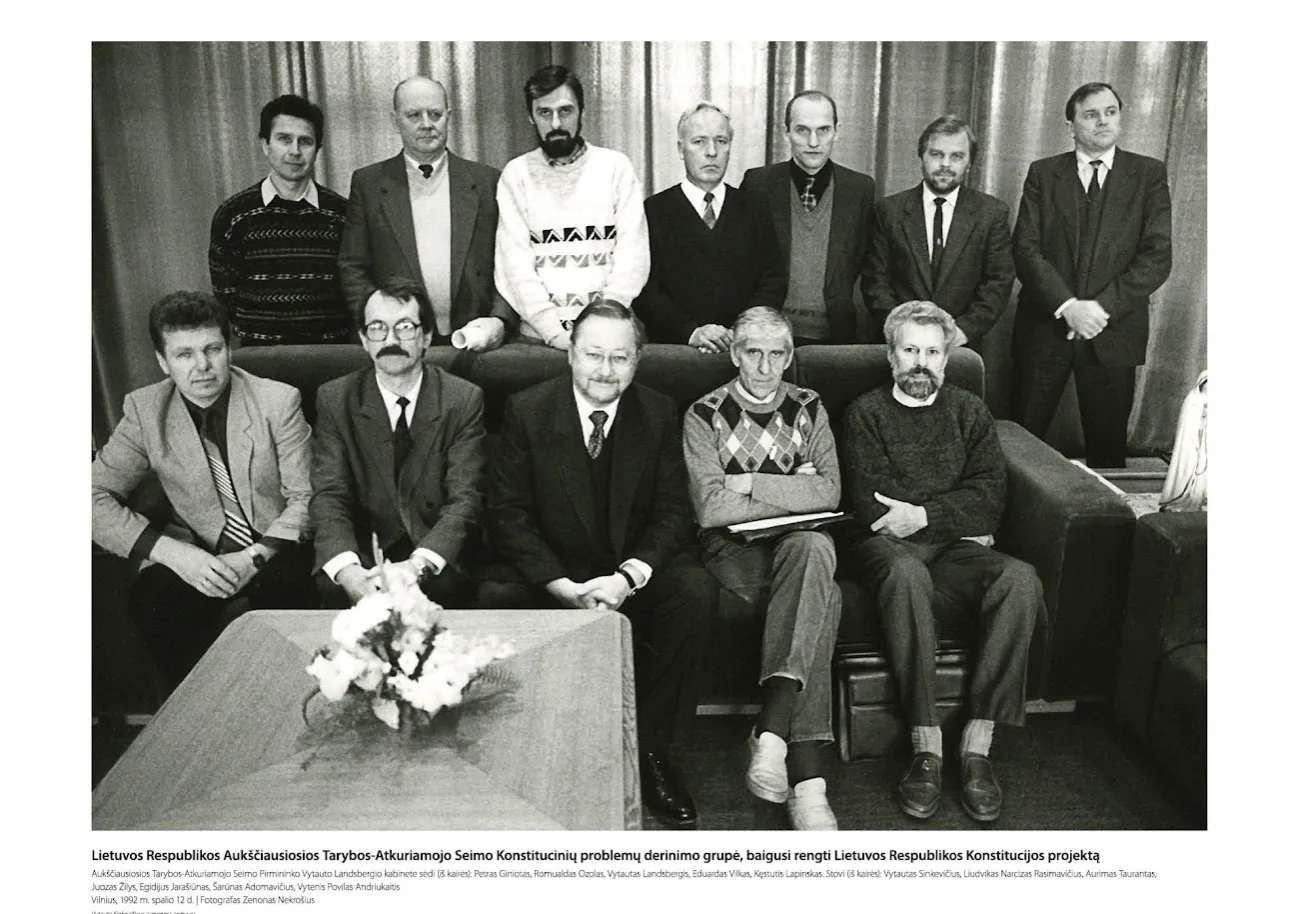
The draft Constitution was written not by one group but by a commission that included representatives of all the factions of the parliament of the time, the Supreme Council. It was set up on 22 January 1992. By 1 September two deputies were tasked with pulling all the work together into a single text. On 12 October the agreed draft was handed to the deputies, and 13 days later the whole country voted on it.
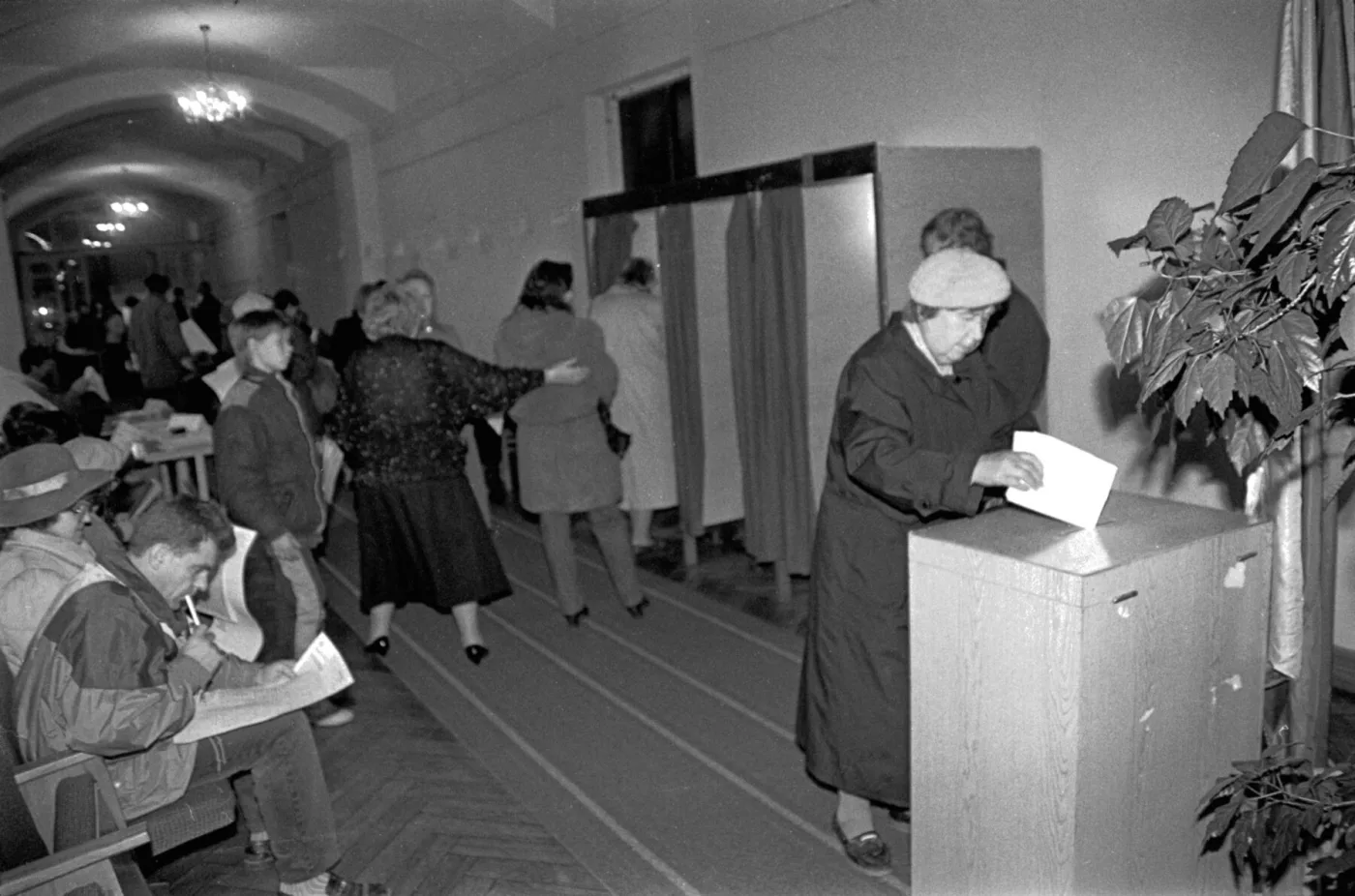
Sunday, 25 October 1992
On this day 1,919,073 people came to the polling stations — 75.26% of citizens entitled to vote. 75.42% of those who came voted “for”: 1,447,334 people. That is 56.76% of all voters in the country: more than half, not only of those who reached a polling station. Behind every figure is a single ballot.
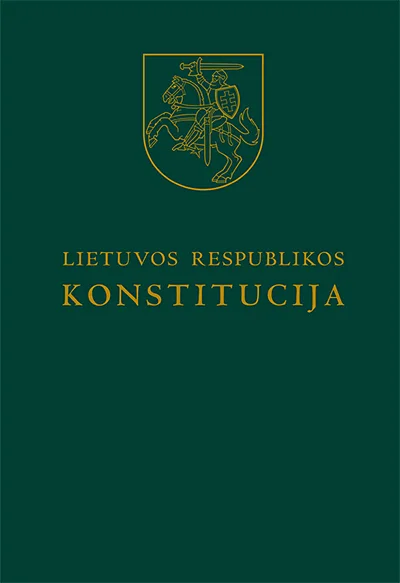
They voted for a text that begins not with articles but with a preamble. In it the nation describes itself in one long sentence:
The Lithuanian Nation
— having created the State of Lithuania many centuries ago,
— having for centuries staunchly defended its freedom and independence,
— having preserved its spirit, native language, writing, and customs,
…
by the will of the citizens of the reborn State of Lithuania, adopts and proclaims this Constitution.
And Article 1 fits on a single line: “The State of Lithuania shall be an independent democratic republic” (Lietuvos valstybė yra nepriklausoma demokratinė respublika). The translation here is from our parallel text of the Constitution.
The results were determined on 31 October. The Constitution came into force on 2 November 1992, and on 6 November it was signed by the Chairman of the Supreme Council. So why is the day marked on 25 October rather than 2 November? Because it counts from the date of the popular vote, not from entry into force. On the calendar it is called Konstitucijos diena.
The hall where the signature was put
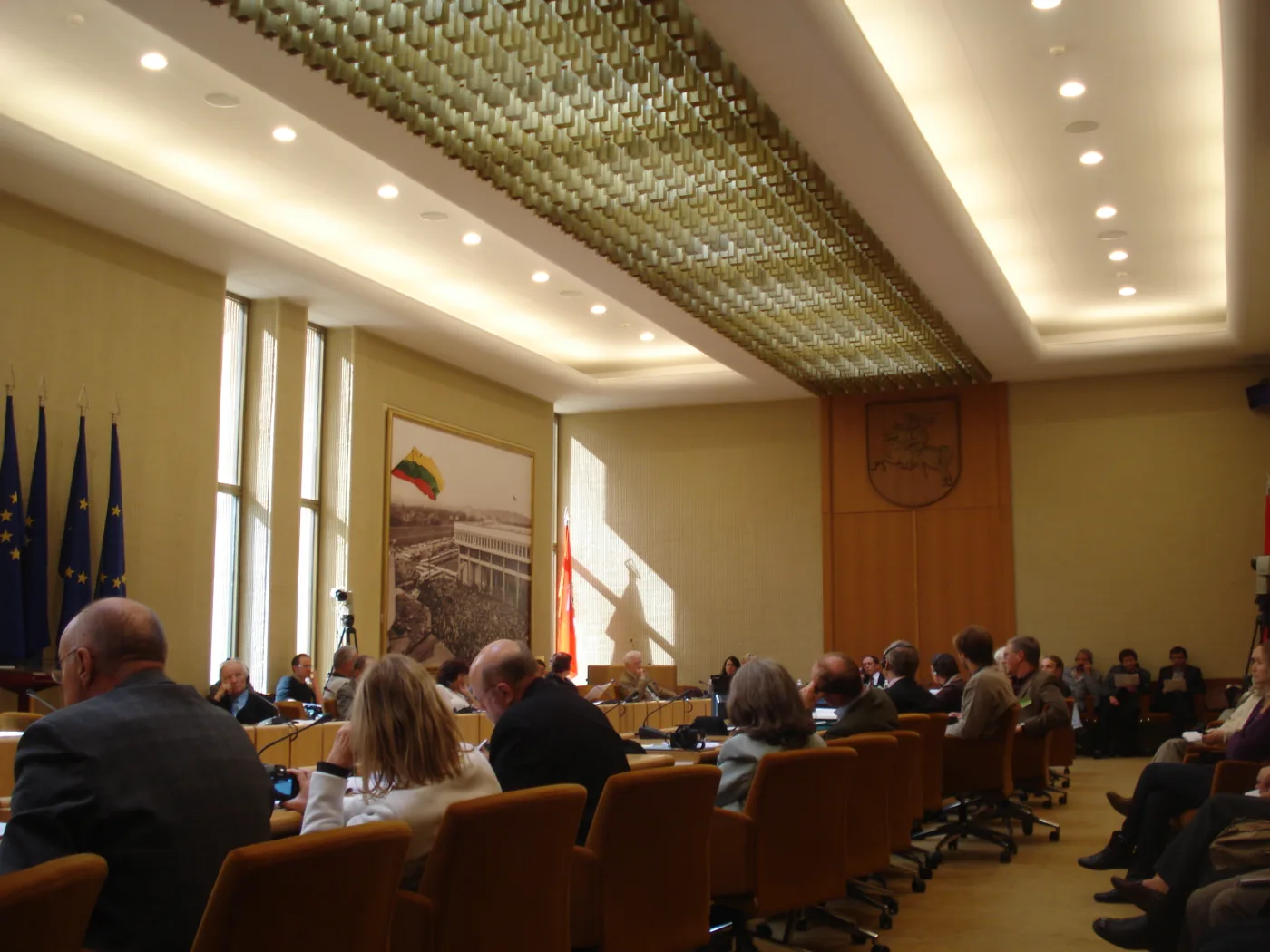
On the same day, 6 November 1992, the law on the procedure for the Constitution’s entry into force was signed in a hall of the Seimas. That hall exists today. The Constitution Hall at 53 Gedimino Avenue is part of the Seimas Visitor Centre. It holds an exhibition about the first general elections, the Constituent Seimas and January 1991. You can get inside on a tour, by advance registration on the Seimas Visitor Centre website; check the schedule and conditions there.
The Constitution today
Today the Constitution is not an exhibit behind glass but a living law that everyone who wants to link their life with this country needs to know. To get permanent residence or citizenship, it is not enough to live in Lithuania for the required number of years: you have to pass two exams — in the Lithuanian language and in the basics of the Constitution.
The nearest dates of the Constitution exam: September 24, November 10, and December 8. How to prepare and how to register — in our guide to the Constitution exam.
For those preparing right now, understanding how this document was written brings the dry legal paragraphs to life.
with Šaunuolė
Sources
- Constitutional Court: the referendum of 25 October 1992
- Constitution of the Republic of Lithuania (lrs.lt)
- Vikipedija: the referendum on adopting the Constitution
- Visuotinė lietuvių enciklopedija: Constitution of the Republic of Lithuania
- Constitution Hall (Seimas)
- Seimas tours: advance registration